

Interference Union Chapel, London 30th October 1998 The cold snap is just hitting London in time for this event, set in the chilly North London church (OK, technically it’s a chapel, but it looks and feels more like a Gothic construction, all pointed arches and uncomfortable pews) which has played host to some of the best gigs of recent years. Fortunately the management have installed electric bar heaters […]
Monthly archives: October 1998
11 posts
A Splendid Chaos 28th October 1998 Faust have been a legendarily chaotic group since their origins as a kind of experiment in the creation of an anti-rock band in the early Seventies. Nearly thirty years on they remain as surprising and unpredictable as ever, live or on record, as they have throughout their erratic career, as Antron S. Meister witnessed at their London gig at The Garage on […]
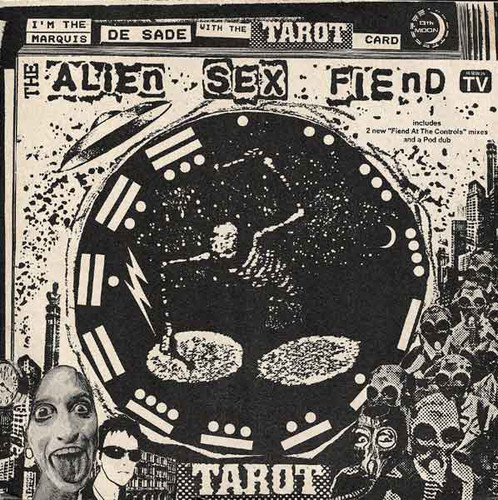
Label: 13th Moon Format: 12″ Taking one of the best tracks from Nocturnal Emissions and sticking it through the electronic mangle, Mr. & Mrs. Fiend embark on a high-octane blast through all the electro, techno, breakbeat and goddam’ rock machinations possible at once, topped off by Nik’s unchanged vocal style – demented. The amphetamine groove ASF have been on for most of their career seems somehow to be […]
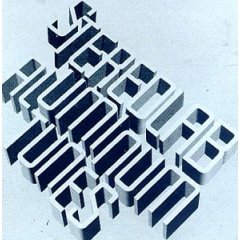
Label: Duophonic Ultra-High Frequency Disks Format: Limited 2CD,2CD Stereolab have been known for their prolific releases on limited-run seven-inches, compilations and sundry other media – fortunately, they’ve also been very good at collecting their ephemera into neat bundles for those unable to find the original editions. Aluminum Tunes is Switched On Stereolab Volume 3, though quite why the extra name was needed isn’t clear. The two CD package […]
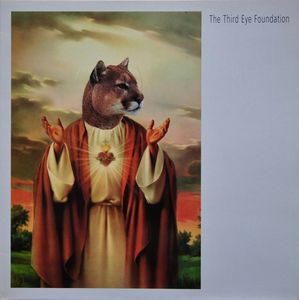
Label: Domino Format: CDS,12″ Exhibiting a kind of Bristolian faux-gangsterism with sampler firmly in cheek, Matt Elliott is definitely getting more proficient with the drum & bass these days. Still spooky and atmospheric, the use of choral samples on the title track recalls the early unsettling soundscapes of Current 93 but with a beat – which is a pretty damn good idea too. Religious art is probably best […]
The Dublin Castle, London 16th October 1998 +Penthouse; Stoke Newington, London 17th October 1998 There can be few experiences as strange or as wonderful as when Bobby Conn and band show up in town in a flurry of wigs, imposture and post-Glam Rock attitude. Truly an eventful, landmark kind of proceeding, where the atmosphere rocks by itself, and the band play on as if they were the only […]
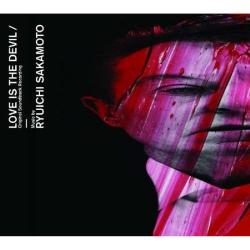
Label: Asphodel Format: CD Love Is The Devil is a reasonably arty film about the traumatic love-life of painter Francis Bacon in the early Sixties, whihc despite may flaws is an engaging and occasionally powerful depiction of an alcoholic artist and his relationship with a young stranger who appears from the roof of his studio one night. Sakamoto‘s soundtrack, heard in the context of the film, is a […]
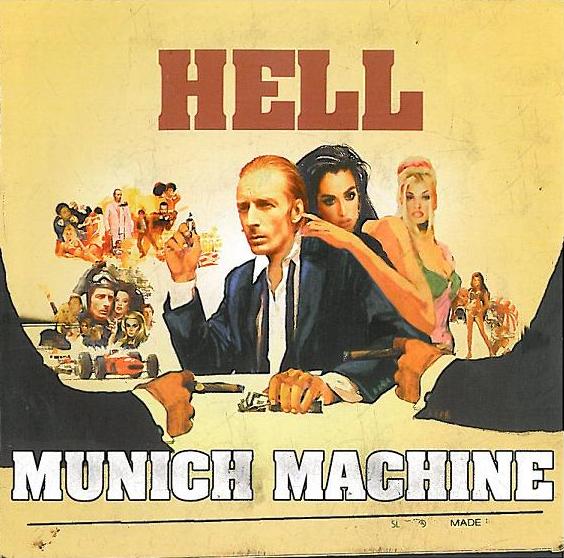
Label: Disko B/V2 Format: CD,2LP Adopting an international playboy persona to rival Yello‘s for its ridiculous embrace of the notion of artist as fantsatic sportsman, Bond-age lover and all-round suave entertainer, DJ Hell bundles together a collection of tunes which restore the front to upfront. From the paen to its author from a West Coast American female voice of “This Is For You” to the bizarre cover of […]
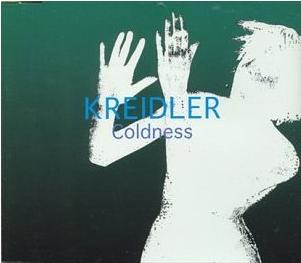
Label: KiffSM/PIAS Format: 12″, CDS Taking the only track from Kreidler‘s Appearance And The Park album to feature vocals, Mute‘s Daniel Miller adopts his Sunroof persona in collaboration with Gareth Jones to reconfigure the track in decidedly Eighties style – all arpeggiating FM keyboards and synth stylings – to initially amusing, then relaxingly suave effect, revisted on the slightly extended instrumental version which substitues analougue squiggles for the […]
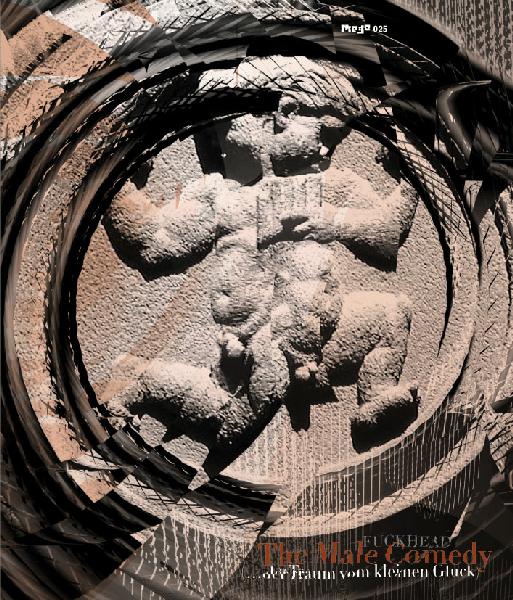
Label: Mego Format: CD There’s something ominous afoot in Vienna. What seems to have happened is that a band who might at one point have enjoyed metallic doom-merchandising have discovered the joys of mincing music through a sampler, hardcore digital style. The result is The Male Comedy, a record which takes liberties beyond the mere juxtaposition of disparate elements of rock music, but proceeds to shaft them royally, […]
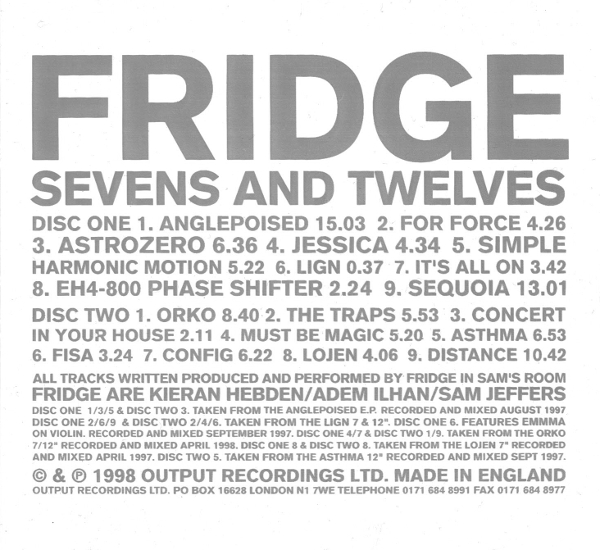
Label: Output Format: 2CD With this double CD collection of singles and compilation appearances, Fridge reveal their remarkable emergence over the last year or so as a pretty good answer to the flood of American and German post-rock acts, without resorting to pastiche or fitting particularly into the straitjacket of what is rapidly becoming a dismissive generic label. Generally far better organized and more satisfying than their debut […]