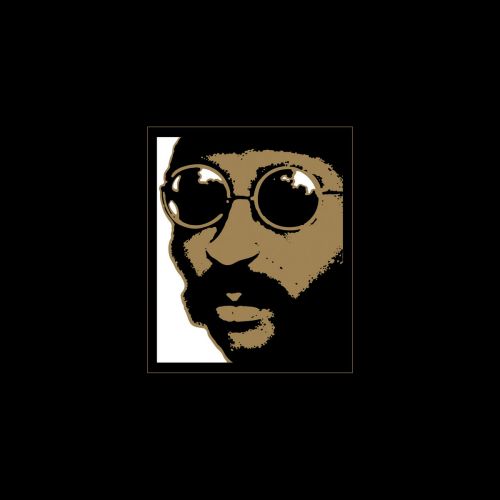
 It’s a jazz record and you know what jazz records should have? Proper sleevenotes. You know what this record has got? Proper sleevenotes.
Black Editions have taken a wee break from releasing ’80s / ’90s Japanese psych rarities to delve into the US’ greatest original artform (jazz — hip-hop a close second), and Taylor is one of the most original to savage the form. He’s one of those where I’m going to get to sit down with him properly at some point (no time like the present, etc).
My impression is always that he sits closer to the avant-garde of European classical — somewhere in a confluence including Arnold Schönberg, Olivier Messiaen and the like — than your jazz cats. And that’s not to dismiss the jazz cats — I have a sense that Taylor has a similar capacity for hammering the absolute fuck out of a piano like Thelonius Monk. But there’s numerous places on this record where his pianism has the fractured but tonal rhythmic intensity of Conlon Nancarrow. Superficially this is close to ‘free jazz’, but Taylor is ineffably tonal and rhythmic.
His quintet of diligent sidemen for this date are Ramsey Ameen (violin), Jimmy Lyons (alto sax), Alan Silva (bass / cello) and Jerome Cooper (drums). The sleeve notes suggest this isn’t a well-heeled quintet, but you’d never know it. The coherence between Ameen and Lyons is astonishing — both careful to not dominate the recording, but pretty symbiotic when they get their hands dirty.
This record has the added magic of being entirely acoustic. One of the struggles that violins have in non-classical settings is that other instruments can really shit all over them — so there’s a sense that the drums are sitting back, not too much bass drum, the sax isn’t blasting over the fiddle. Cello and piano are, of course, natural bedfellows of fiddles.
I don’t know much about violin in jazz — Eric Siday and Michał Urbaniak are the only names that jump to mind — but your man Ameen doesn’t sound like he’s struggling to find his voice in the ensemble, and neither is the violin flattened out with amplification. Leading on from that — if you can hear a violin on a jazz recording then it’s been mastered properly. I won’t say that the alto is always behind the fiddle in the mix, but there’s enough care to mean that the violin is definitely there.
One of the issues I have with what I might call the Peter Brötzmann side of jazz is that there’s no space, just a constant verisimilitude of intensity. Brötzmann is one of the best at it, so it’s not a slight on him — rather that ensembles miss colour and variation when nailing breathless free jazz.
Eight minutes into Side B here there’s a moment of reduction — back to piano and drums — that wends it’s way through a distinctly John Cage-ian abstraction and back to something in (somewhat) regular time. Instruments dip in and out in their own cycles — clearly rhythmic and clearly related to Taylor’s rhythmic direction. In turn a kind of duo emerges between Taylor and Ameen that plays on a kind of Chopin-like dark chords over vigorous and intemperate vibrato.
Side C reminds me perhaps of another side of ’60s / ’70s jazz, the muddy and protazaoic musical aberrance of Sea Ensemble and some Art Ensemble Of Chicago; there are moments of legato runs from Lyons that blur towards some melodicism, but the inner piano scratch, fizzing pizzicato, grinding cello and heart palpitatory percussion do their best to keep the swamp bubbling.
A magical date is what I’m saying and it’s pretty much a slap on the face to tell me that I really should get more Cecil Taylor. You should too.
-Kev Nickells-