
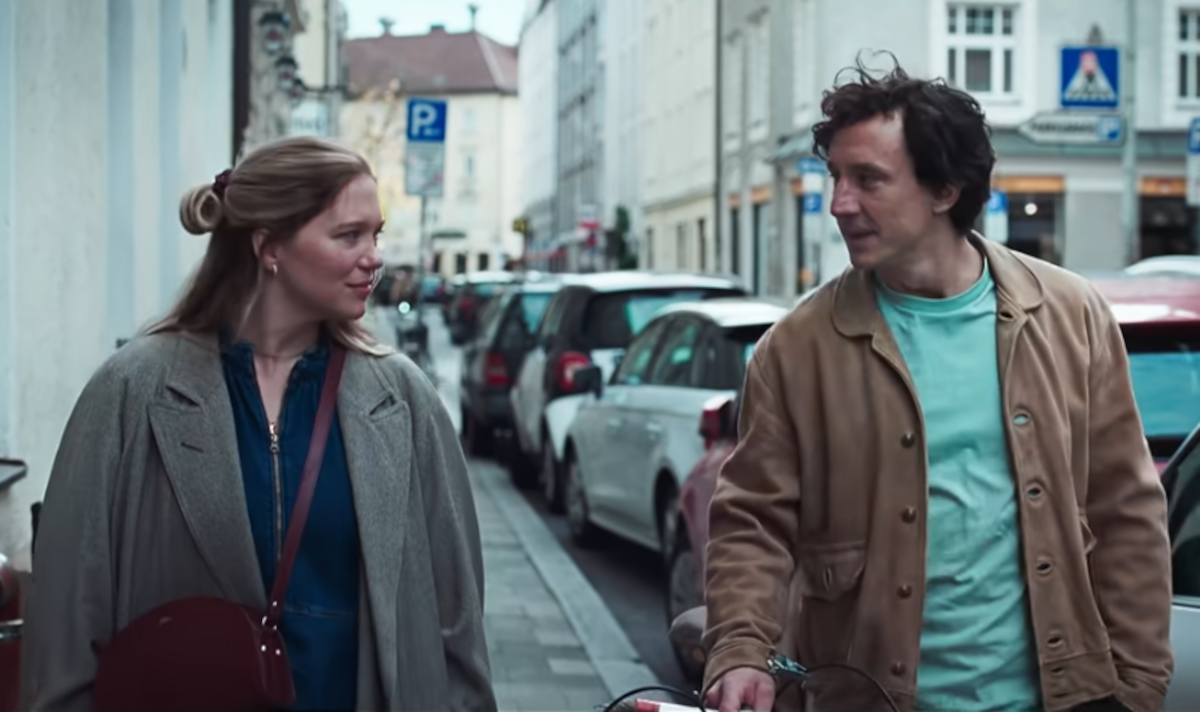
The idea that crime doesn’t pay is solemnly pondered from multiple angles in this intricate and challenging tale of two women having to deal with the misdeeds of their respective menfolk. Léa Seydoux is the pianist whose husband is caught with child pornography, while Jella Haase’s investigating officer has her own problems dealing with her handsy dementia-stricken father.
Marie Kreutzer directs her own emotionally intelligent script with a sober, unflinching naturalism; she places windows on stark broad daylight, in which such crimes often seem to take place, in the background of the shot. Thus they illuminate the characters, frequently isolated in the frame by the enormity of their knowledge, but force the audience to use our peripheral vision to see anything at all. The set decorators confine themselves to pastel blues and greys, building an oppressively bland backdrop against which the consequences of these unseen but strongly felt crimes of the darkest passion are cast in very sharp relief.
There’s an apparently healthy intimacy about the early family scenes, as Seydoux and her happy little nuclear unit wander through their large rustic house and garden, trampolining and singing pop songs. They’re trilingual, signifying open communication but also the spectre of division – German, French and English make a historically loaded trio, to say the least.
The couple have a satisfying sex life, and the husband doesn’t mind walking around the house totally naked. But is this merely Teutonic unselfconsciousness, or erotically charged exhibitionism? These are the awkward questions Kreutzer dares to ask about what people get up to when they think nobody’s looking.
In a rude irruption of contrast in class, taste and occupation, the cop is introduced all cooped up in her car, listening to hip-hop and vaping instead of sipping a glass of Riesling. Handheld cameras hang back as she arrests the husband, and you suddenly realise how impartially disciplined an observer it’s been all along.
Léa Seydoux secures her shellshock within a bulletproof vest of quiet, softly-spoken politesse, but even that starts to wear away under the hail of bullets each new revelation fires at her. Tears leak out, words crack in her mouth, but life has to go on, and it’s much more compelling watching her cope with that fact rather than avoid it by diverting down loud, snotty avenues of grief and rage.
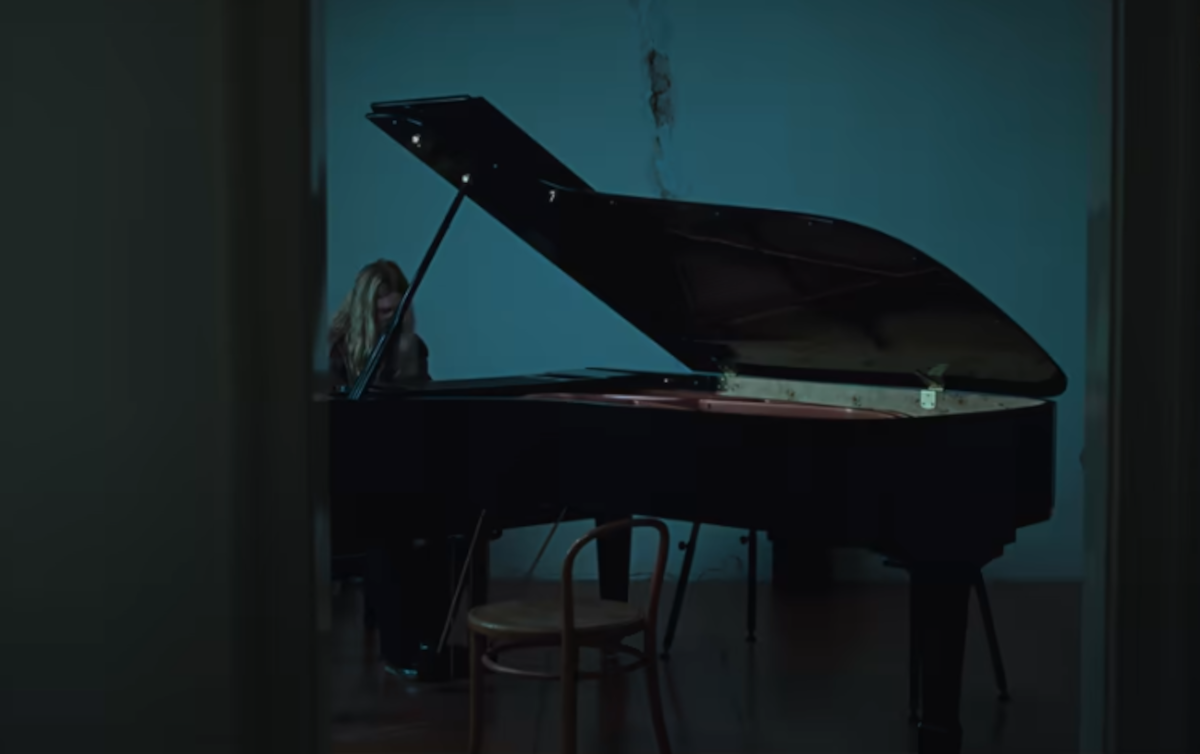
She’s allowed one brief bravura moment where she performs an avant-garde interpretation of The Cure’s “Boys Don’t Cry”, punishing the bass end of a grand piano with dissonant jabs. Then, just as you imagine the poor audience stunned into silence, editor Ulrike Kofler brutally cuts to her leaving the stage, totally ignoring a sonic bath of rapturous applause.
As the cop with another case closer to home, Jella Haase buries her feelings even deeper, negotiating her loved ones in more confined spaces, her professional failings looming ever larger until they overshadow all the edifices of her life. The two women’s twinned downward spirals of desperation have united them despite their superficial differences.
Gentle Monster turns a patient, piercing gaze upon some of the most socially and morally unbearable activities of the human species, trying to process the ugliness of the impulses behind them. By extending its study to victims, perpetrators and bystanders, yet still anchoring it with Seydoux’s performance, it finds real drama amid the ever-present threat of empty sensationalism.
-Stew Mott-


